
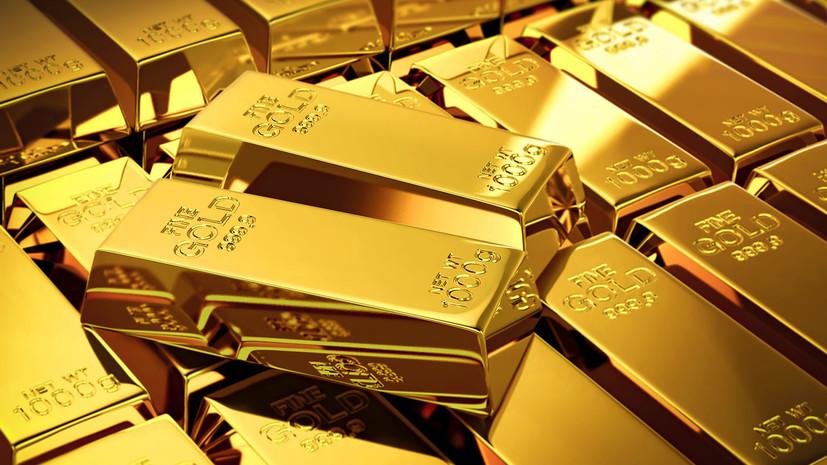
Poland and Kazakhstan are the leading buyers of gold for 2025 According to calculations by the research firm Best Brokers, which analyzed data from the World Gold Council (WGC), the central banks of Poland and Kazakhstan have been the most active in replenishing their gold reserves since the beginning of the year. They purchased 67.1 tons and 32.4 tons of the precious metal, respectively. China rounded out the top three, with its central bank increasing its gold reserves by 22.7 tons since the start of the year. Turkey, the Czech Republic, Cambodia, Ghana, Qatar, India, and Serbia were also among the top 10 central banks buying gold this year. Analysts point to increased demand for gold against the backdrop of rising prices for this traditionally safe-haven asset, which is valued for its value amidst current market conditions and geopolitical instability. Meanwhile, some countries have reduced their gold reserves since the beginning of the year. The Central Bank of Uzbekistan was the world’s largest gold reserve reducer, selling 16.8 tons, followed by Singapore (15.8 tons), Indonesia (12.9 tons), Russia (6.2 tons), and Germany (1.3 tons). The report notes that Russia reduced its gold reserves in 2025 after 17 years of continuous replenishment, which lasted until 2023, after which the reserves remained unchanged for two years. The top five countries in the world in terms of central bank gold reserves now include the United States (8,133 tons), Germany (3,350 tons), Italy (2,451 tons), France (2,437 tons), and Russia (2,329 tons).
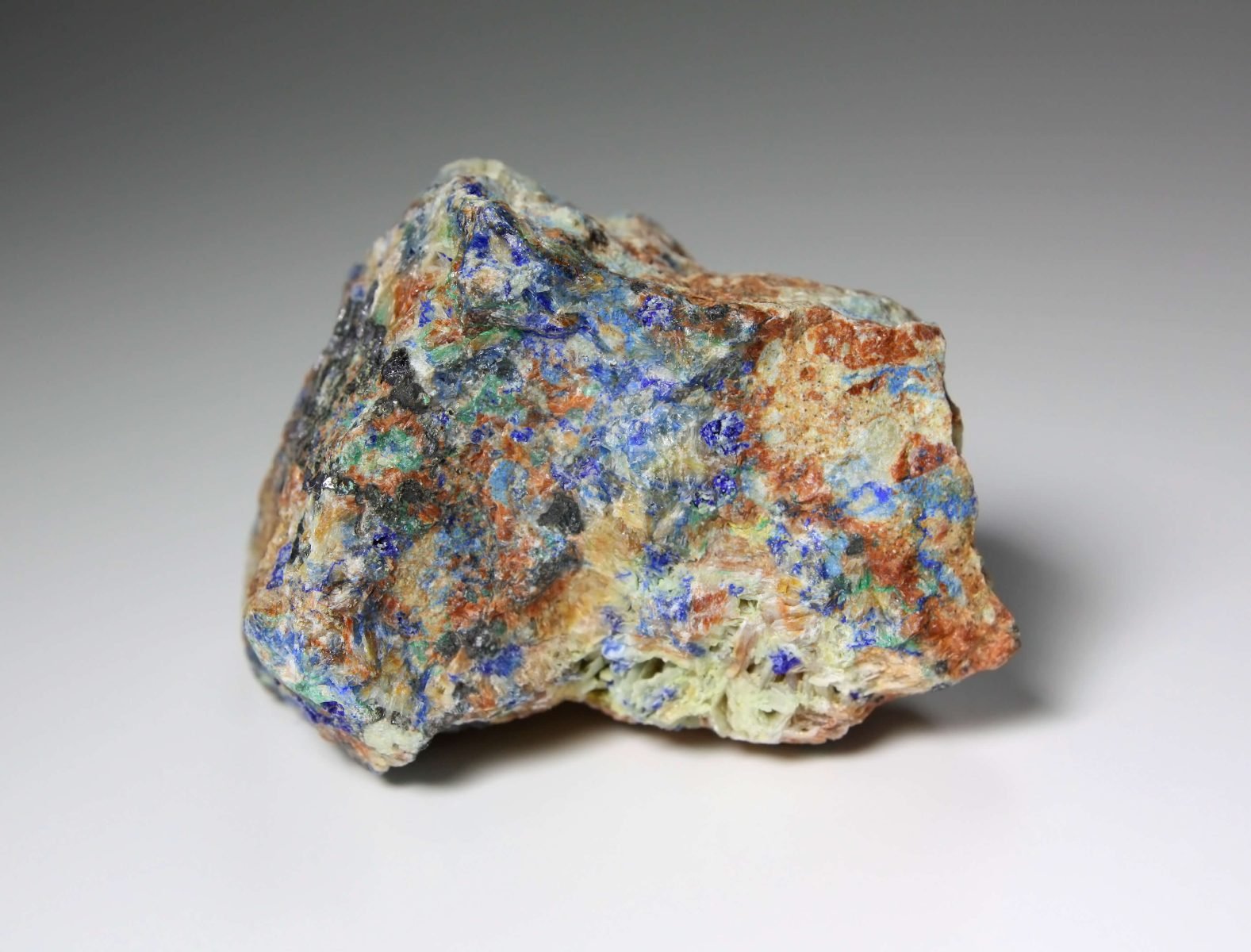
Cobalt
Cobalt Basic Properties: Importance and Uses: Cobalt is a strategic metal in modern technologies, and its most important uses include: Occurrence and Mining: Other exporting countries include Russia, Australia, Canada, Cuba, and the Philippines.
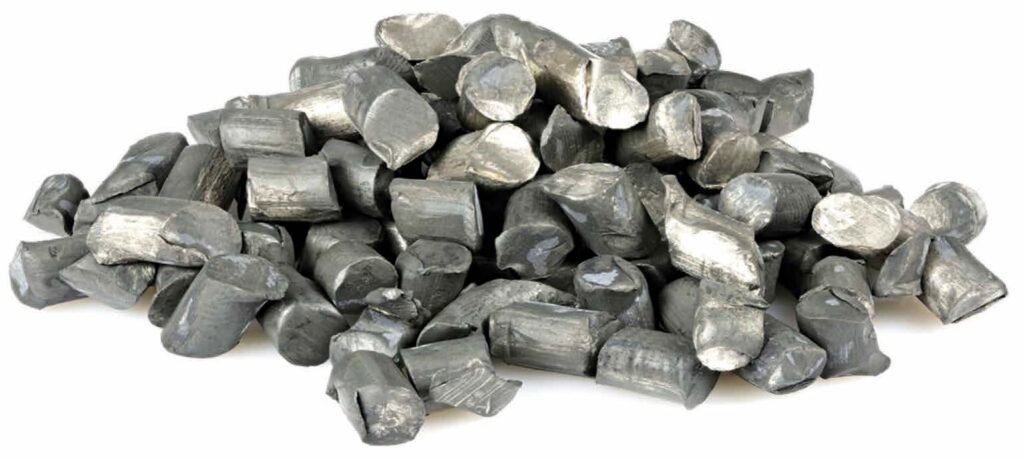
Lithium
Lithium is a very light, naturally occurring, chemically active metal belonging to the alkali metal group. It reacts with water, releasing hydrogen gas. It is silvery-white in color but darkens rapidly in air due to oxidation. It is soft and can be cut with a knife. It does not occur naturally in its pure form due to its reactivity, but rather in compounds such as sludge, clays, and salt lakes. It is extracted from minerals or saline spring water. It is used in rechargeable batteries and in psychiatry, such as lithium carbonate, which is used to treat bipolar disorder. It is also used in the manufacture of heat-resistant glass and ceramics, industrial lubricants, and nuclear fusion reactors. However, today lithium is considered a strategic metal due to its pivotal role in clean energy and advanced technologies. According to 2023-2024 data, the world’s leading lithium producers are Australia, which ranks first in mining production and accounts for approximately 50% of global supply. Chile comes in second globally in production and first in reserves. China ranks third in production but is the leader in processing and refining, accounting for an estimated 60% of global lithium carbonate refining capacity. Argentina follows in fourth place, the United States in fifth, Bolivia in sixth, and Canada, Portugal, and Zimbabwe in fifth. Main Exporting Countries: Australia: Exports concentrated ore primarily to China for refining. Chile and Argentina: Export refined lithium carbonate to Asia, Europe, and North America. China: Exports manufactured lithium products such as batteries and chemicals but imports a significant amount of ore. Summary: China is the global dominant player, even though Australia produces more. China controls refining and manufacturing, and it is estimated that 75% of the world’s refined lithium carbonate comes from China. As a result of China’s global dominance, the United States and the European Union have adopted a strategic approach, striving to build alternative supply chains to China through investments in South America and Africa. Bolivia’s reserves are estimated to be huge, but it faces technical and political challenges that hinder their full exploitation. Indonesia plans to enter the market by extracting lithium from recycled wastewater in nickel mines. The geopolitical map of lithium is undergoing rapid changes today, as industrialized nations compete to secure supplies of this vital metal and control the clean energy market. One question remains: Where will Russia stand on the energy and mining map? Will it remain in its old sphere of influence in South America, or will it expand into its new sphere of influence in Africa?